How to Build a Real Estate Agent Website (That Actually Books Showings)
By Jeferson Bruno · June 3, 2026 · 9 min read
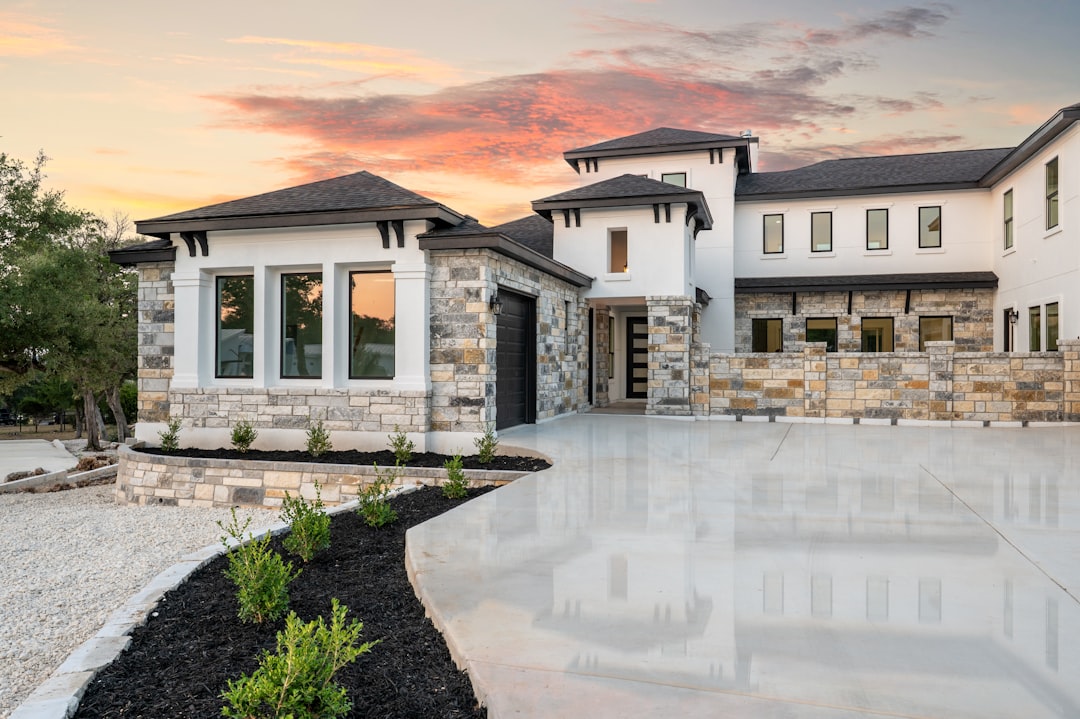
Here's the reality of selling homes in 2026: the first showing doesn't happen at the property, it happens on Google. Before a buyer emails you or a seller signs a listing agreement, they've already typed your name into a search bar and made up their mind about whether you're the real deal. If what comes back is a Zillow profile and a Facebook page, you've handed the decision to whoever shows up next to you looking more established.
I've watched agents lose six-figure listings for no reason other than the other guy had a website with active listings, sold-price proof, and a few neighborhood pages that made him look like he actually knows the market. Same license, same commission split, same city. One of them looked like a business, and the other looked like a phone number. In this business, looking established online is being established, because that's the only version of you the lead meets before they choose.
The good news is that a site that does this job isn't complicated or expensive to build, and you don't need to be technical to pull it off. In this guide I'll walk you through exactly what to put on it, in what order, and how to get your listings and sold proof front and center so the next person who Googles you picks up the phone instead of scrolling past.
What a real estate agent website actually needs
Strip away the fluff and a site that books showings comes down to a short list of things that must exist. Everything else is decoration. Get these right first:
- Searchable, filterable listings. The very first thing every buyer does is filter — by price, beds, baths, and neighborhood. If they can't narrow your listings in two taps, they bounce before your second property even loads.
- Full property pages. Big photos, a clear map, square footage, key features, and a tour-request button right on the page. Photos and location do the selling; make them huge.
- A one-tap tour request. Not a 12-field form. A name, a phone, and "which home" is enough to start a conversation.
- Neighborhood guides. This is your unfair advantage over the portals — real, local knowledge they can't fake.
- "Recently sold" proof. Nothing builds trust with a seller like a wall of your recent closings.
- An agent bio with real credentials. License, brokerage, years in the market, designations. People hire a person, not a logo.
If you're staring at that list thinking it's a lot — it's less work than you'd guess when the structure is already built for you. A purpose-built real estate business website gives you those exact sections out of the box instead of a blank page and a blinking cursor.
Step 1: Build your listings the way buyers actually search
Buyers don't read listings top to bottom. They filter, they scan photos, they shortlist. Design for that behavior:
- Lead with the filter bar. For-sale vs for-rent, price range, beds, baths, and area — visible before anyone scrolls. Live-updating results, not a page reload.
- Photos first, words second. The lead image is the whole ballgame on mobile. Use your best exterior or a bright, wide living-room shot. Skip the dark, tilted phone pics.
- One property, one page. Every listing should have its own real URL — that's what Google indexes and what buyers text to their spouse. Carousels that live on one page are invisible to search.
- Put the tour button above the fold. The moment someone likes a home, the ask should be right there, not buried at the bottom.
A quick note on IDX/MLS: full IDX feeds that pull your entire local MLS usually require a paid provider and broker approval, and they're overkill when you're starting out. Most agents win faster by featuring their own listings and a curated handful — the homes you actually know and can speak to. You can always layer IDX in later once the site is pulling its weight.
Step 2: Win "[neighborhood] real estate agent" on Google
You will not outrank Zillow for "homes for sale." You absolutely can rank for the searches that bring you real clients: "real estate agent near me," "[your town] realtor," and "[neighborhood] homes for sale." The portals are too generic to own hyper-local intent — that's your opening.
- Name your area everywhere it's honest to. Page title, headline, bio, and neighborhood guides should all say the actual town and neighborhoods you serve. "Realtor serving Bishop Arts and Oak Cliff" beats "Trusted local agent."
- Write one neighborhood guide per area you work. Schools, commute, price trends, the coffee shop everyone loves. This is the content the portals can't match, and it ranks for the exact people ready to move.
- Set up a Google Business Profile. Free, and it's what puts you on the map pack for "near me" searches. Keep your name, brokerage, and service area consistent between the profile and your site.
- Ask closed clients for Google reviews. Local rankings and buyer trust both lean heavily on review count and recency.
Step 3: Make trust obvious before the first call
Real estate is a high-stakes, low-frequency decision. People vet you hard before they'll hand you the biggest transaction of their life. Your site has to answer "can I trust this person?" without them asking.
- Lead the bio with credentials. License number, brokerage, years in the market, any designations (ABR, CRS, SRES). Specific beats "top-producing."
- Show recently sold, with numbers. "Sold in 8 days, $12k over asking" does more than any adjective. A steady stream of closings tells sellers you can actually move a home.
- Use real testimonials with real names. A first name, a neighborhood, and a specific outcome reads as true. Generic five-star blurbs read as fake.
- Put your face on it. A warm, professional headshot on the homepage and every listing page. People hire people.
Step 4: Make it flawless on a phone
Assume every buyer is on a phone, one-handed, half-distracted. That's not pessimism — it's the majority of your traffic. If the mobile experience is clunky, it doesn't matter how good the desktop version looks.
- Tap targets, not tiny links. The filter bar and tour button should be thumb-sized.
- Fast-loading photos. Gorgeous images that take five seconds to load lose the buyer. Compressed, properly sized images matter.
- Click-to-call and click-to-text. The phone number should dial with one tap. Half your leads would rather text than fill anything out.
- Readable maps. A clear pin and neighborhood context on a small screen closes the gap between "interesting" and "let's see it."
Google also ranks mobile-first, so a clean phone experience helps you get found and helps you convert. It's the same work paying off twice.
Step 5: Get it live this weekend
The biggest mistake agents make isn't building the wrong site — it's spending three months not shipping one while the portals keep eating their leads. A good-enough site that's live today beats a perfect site that's still "almost ready" in the fall.
You have a few honest options. Hire an agency and pay a few thousand dollars plus monthly retainer. Wrestle WordPress plugins and IDX add-ons yourself. Or use a builder that already knows what a real estate site needs and just asks you to drop in your listings and your face.
Tavoren is that last option, and it's genuinely free — no code, listings and property pages and tour requests built in, mobile-ready out of the box. It won't replace a full IDX brokerage platform, and it's not trying to. It's the fastest honest way to get a professional agent site that ranks locally and books showings. You can build your site free and have something real live before your next open house. Start there; add the fancy stuff once it's earning its keep.
Frequently asked questions
Do I need IDX or an MLS feed to have a real website?
No — and most agents shouldn't start there. Full IDX feeds pull your entire local MLS but usually require a paid provider and broker sign-off. When you're getting established, featuring your own listings plus a curated handful you know well converts just as well and costs nothing. You can add IDX later once the site is proven and pulling leads.
Won't Zillow and Realtor.com always outrank me on Google?
For broad searches like "homes for sale," yes. But you're not competing there. You win the local, high-intent searches — "[your town] realtor," "real estate agent near me," and "[neighborhood] homes for sale" — where the portals are too generic to compete. Neighborhood guides, a Google Business Profile, and recent reviews are how you take that ground.
How do I get sellers from my site, not just buyers?
Buyers come for listings; sellers come for proof and a clear invitation. Run a "recently sold" section with real numbers and days-on-market, a testimonials wall, and a dedicated "what's my home worth" or "list with me" call to action. Sellers are checking whether you can actually move a home — show them you already have, repeatedly.
Ready to put your business online?
Build your website in minutes — free to start.
Build my free website